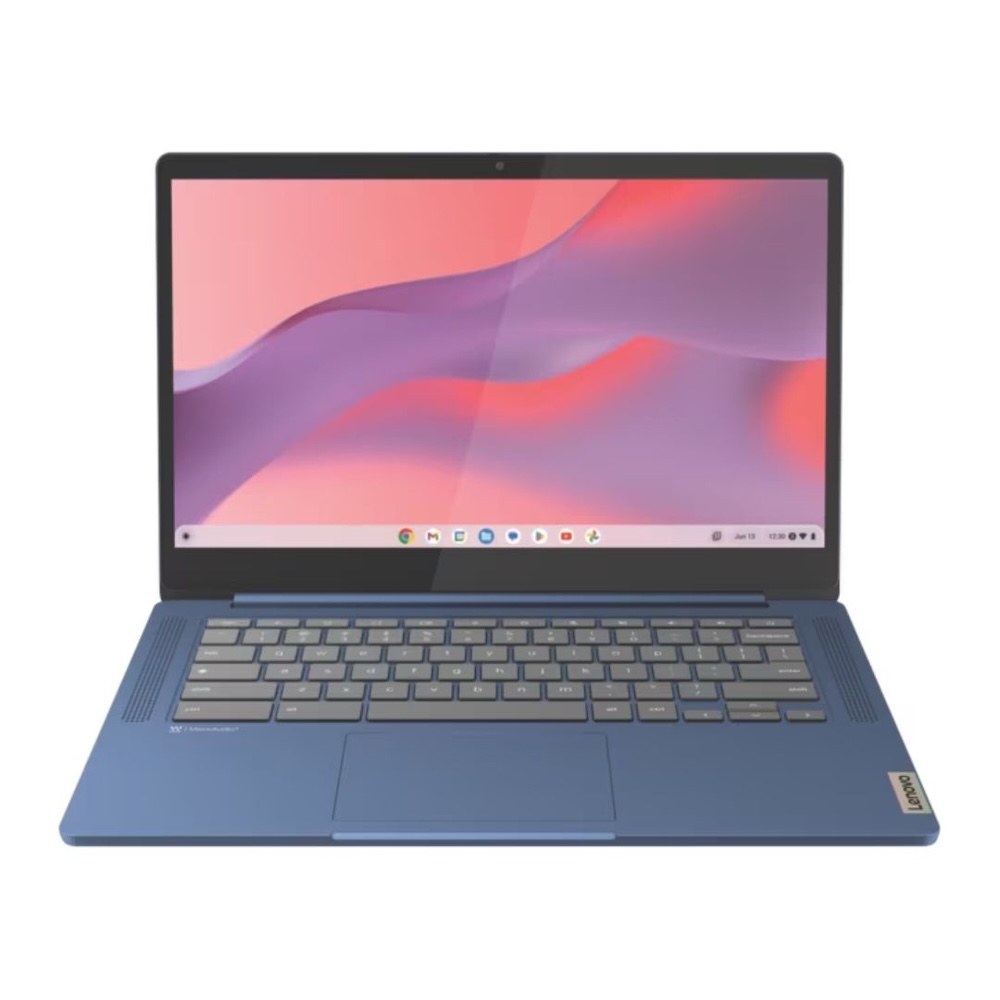
Laptop Charger: Matching the Accessory to the Machine
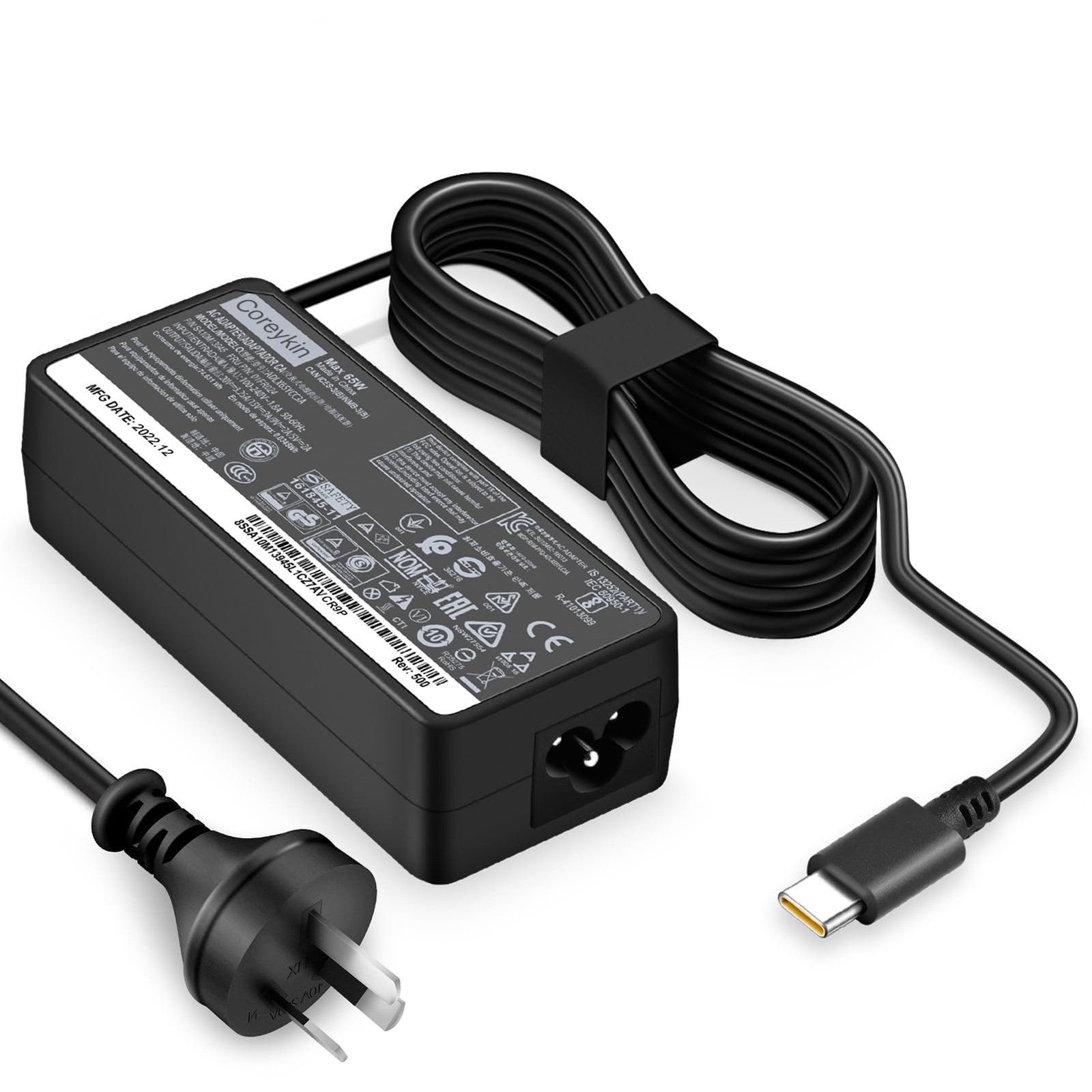
Laptop Charger: Matching the Accessory to the Machine
Few terms in Australian laptop retail are as widely listed and as loosely defined as laptop charger.
The Australian laptop market has settled into a pattern that is easy to miss from the outside. Headline prices move constantly, while the underlying specification tiers move much more slowly. Buyers who track only the first number tend to misread the second.
What follows takes laptop charger in the order a purchase decision actually happens: positioning first, then value, then the trade-offs that are hard to reverse.
The Situations That Lead Here
Buyers arrive at laptop charger from at least four different situations, and the category does not distinguish between them. A machine chosen for one will usually be wrong for another.
The four are: a single machine shared by a household, a machine that travels daily, a machine that stays on a desk and runs sustained workloads, and a machine bought to replace one that failed early.
The main retail channels in this market are the large chains, the specialist online retailers and the manufacturer direct stores. Each carries different stock depth and different return processes, and the differences matter more when something fails than when something is bought.
Mapping Use to Specification
The mapping is less complicated than the specification lists suggest. Travel rewards weight and hinge quality. Desk-bound work rewards thermal headroom and port availability. Shared use rewards serviceability and warranty terms over peak performance.
Most listings do not separate the two.
Weight is the clearest example. A machine that is comfortable on a desk can be unpleasant on a daily commute, and the difference between 1.3 and 2.4 kilograms is not something a product page conveys.
The company positions its current range across the mainstream and upper-mainstream tiers of this category. Published specifications for each model are listed on the company site, and buyers comparing across retailers should treat those figures as the reference rather than retailer summaries.
The catch is narrower than it first appears.
The Upgrades That Do Not Pay Off
This is the point at which published specifications stop being useful.
Two upgrades consistently fail to deliver in ordinary use: the highest available processor tier, and displays specified beyond what the workload requires. Both raise cost and power draw, and neither changes the daily experience for document, browser and video work.
The upgrades that do translate are less visible in marketing: a metal lid, a serviceable battery, and a warranty performed locally. None of them photograph well.
Cases This Does Not Cover
There are buyers for whom this category is the wrong starting point: those running sustained GPU workloads, those who need a specific certified configuration for institutional procurement, and those replacing a machine under three years old where repair is the cheaper path.
Recognising that early saves the comparison entirely, and it is the one conclusion a buying guide is least likely to offer.
Location and the Real Value of Service
A warranty serviced in the same city as the buyer is a different product from one serviced interstate, even when the terms are identical. The difference is measured in weeks without the machine, not in dollars.
Outside the capital cities the gap widens. Regional buyers frequently face courier transit in both directions, which turns a minor repair into a fortnight without a computer. That is a real cost, and it is rarely included in comparisons.
For buyers in this position, the practical check is whether the retailer offers local service or a loan unit. Both are more valuable than an extra year of coverage that has to travel.
How Long This Is Meant to Last
Three components determine usable life in this category, and none of them is the processor. The battery degrades on a predictable curve, the hinges take the accumulated load of every opening, and the cooling system collects dust until thermal performance falls. The first is measurable, the second is visible, and the third is invisible until it matters.
Software support sets a second clock. Operating system updates are tied to hardware generations, and a machine that is mechanically sound can fall out of support while it is still perfectly usable. That is worth checking before purchase rather than after.
Resale value follows the same pattern. Models that hold value tend to be the ones with documented service support and available parts, not the ones with the highest initial specification.
The Listing Layer
Google returns a product carousel for this term, which means listings compete on structured data as much as on price. Review volume, specification completeness and merchant feed accuracy all influence which products appear. For a buyer, that is a reminder that position in a carousel is not a quality signal.
Closing Note
None of this settles the question of which option is right for a particular buyer. It narrows the question, which is a more useful outcome than a ranking.
On Sourcing
Pricing and specification details referenced in this piece reflect what was published at the time of writing. Retail listings and stock levels move faster than any article can track, so current figures should be confirmed directly with the retailer.
Best Laptop for Students: A Comparison Framework for Buyers
Laptop for College: A Comparison Framework for Undecided Buyers
Related Article