Balancing Power and Portability: A Guide to Lightweight Laptops
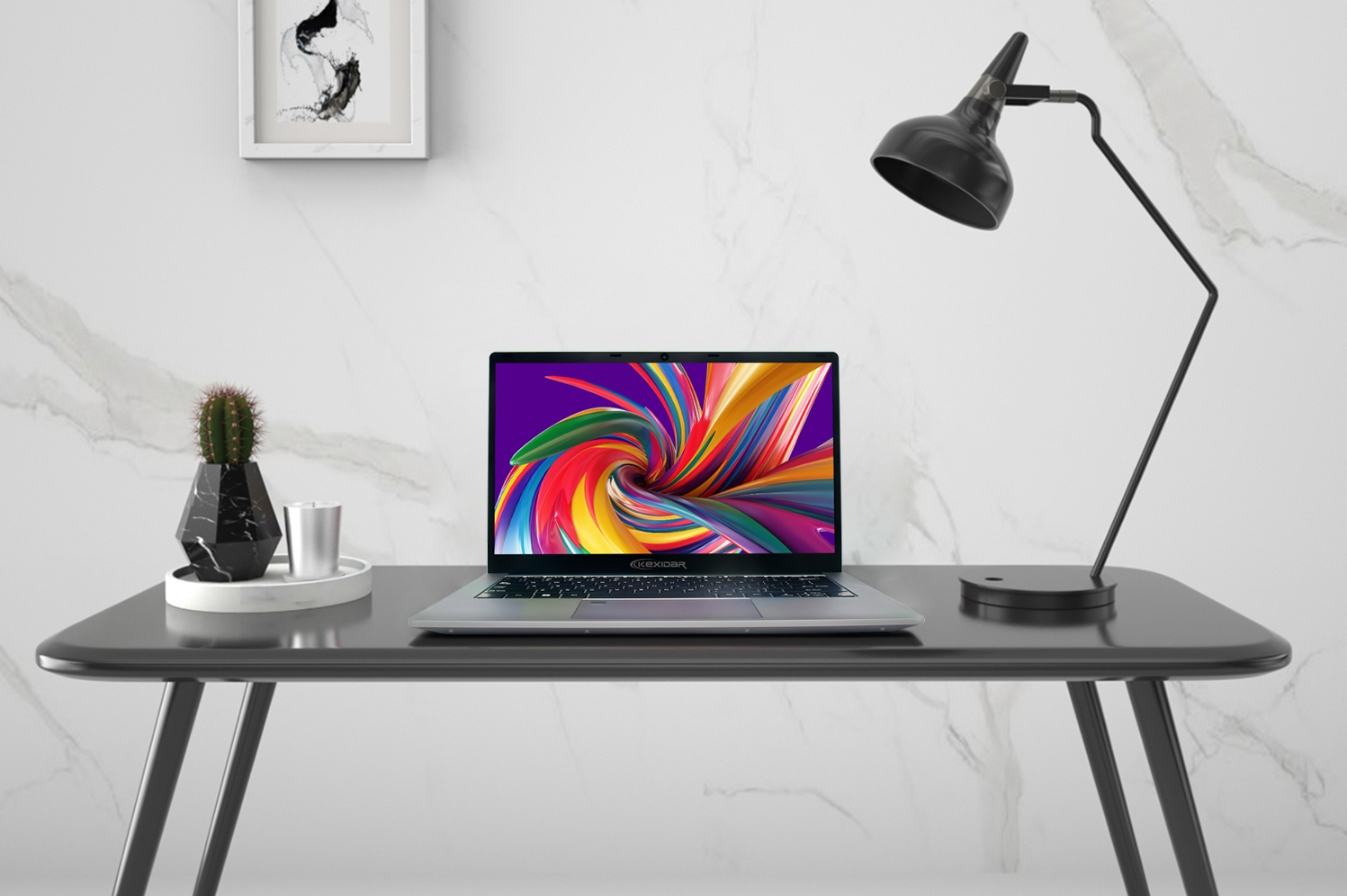

Balancing Power and Portability: A Guide to Lightweight Laptops
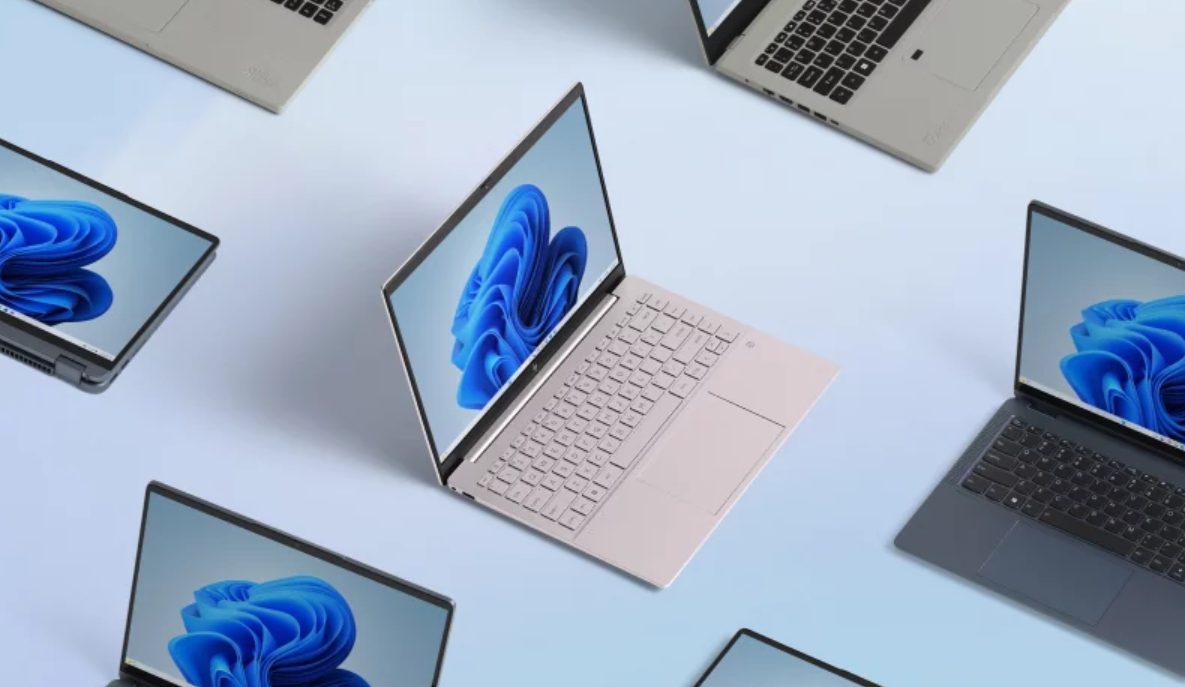
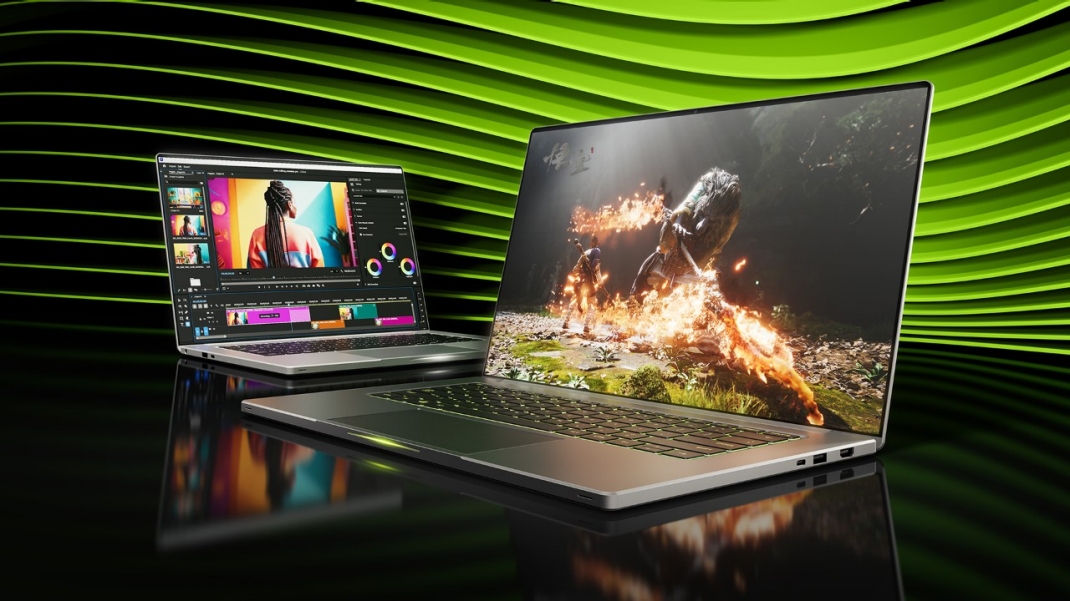
In recent times, the laptop industry has witnessed a significant trend towards thinner and lighter devices that do not compromise on performance. These lightweight laptops have become increasingly popular among consumers seeking portability and power in a single package. This article aims to explore the recent trends in the laptop industry with a focus on key features and options available to those considering a lightweight laptop.
The Trend Towards Lightweight Laptops
This trend originated with the introduction of the Apple MacBook Air in 2008. Since then, laptop manufacturers have relentlessly pursued the creation of an ultra-thin device capable of delivering similar performance to desktop computers. The increased portability of these lightweight laptops is a significant reason for their growing popularity, especially among remote workers and frequent travelers.
Key Features of Lightweight Laptops
When purchasing a lightweight laptop, several key features and specifications require careful consideration. These include the processor, RAM, storage, and display.
Processor
The processor is the device's central component responsible for determining the unit's speed and power. Two of the most common processors for lightweight laptops are the Intel i5 and i7, offering a balance of speed, energy efficiency, and minimization of overheating.
RAM
RAM is the laptop's memory responsible for running applications. The higher the RAM, the more applications the device could simultaneously run without slowing down. For most users, an 8 GB RAM is sufficient for lightweight laptops.
Storage
Lightweight laptops typically use solid-state drives (SSDs) because of its speed and durability compared to traditional hard drives, making them ideal for portable devices. Most lightweight laptops come with 256 GB or 512 GB of storage.
Display
The display is an essential feature for any lightweight laptop. Nowadays, most laptops come with an FHD or QHD display, providing excellent image quality. While OLED displays offer the best colors and contrast, they can be quite expensive.
Additional Features
When purchasing a lightweight laptop, other features to consider include the battery life, keyboard, touchpad, and connectivity options. A good battery life is necessary for portability, while a comfortable keyboard and responsive touchpad enhance productivity. Connectivity options like USB-C, Thunderbolt 3, and Wi-Fi 6 are also essential for staying connected on the go.
Some of the best lightweight laptops available in the market today include the Dell XPS 13, MacBook Air, HP Spectre x360, Lenovo Yoga C940, and ASUS Zenbook 14. Each of these devices boasts high-end features like processors, RAM, storage, and display options designed to meet the specific needs of diverse users.
Conclusion:
In summary, the trend towards lightweight laptops that offer a balance of power and portability is steadily growing. Purchasing the right lightweight laptop requires careful consideration of individual needs, budget, and key features like processors, RAM, storage, display, and additional features like battery life and connectivity options. Ultimately, the right lightweight laptop provides the flexibility and power to work on-the-go without sacrificing performance.
Ultrabooks: The Latest Trend in High-Performance Gaming Laptops
Unleashing the Potential of Notebook Touch Laptops
Related Article